
+0.84%
+0.68%
+1.45%
+0.19%
+1.53%
-0.66%
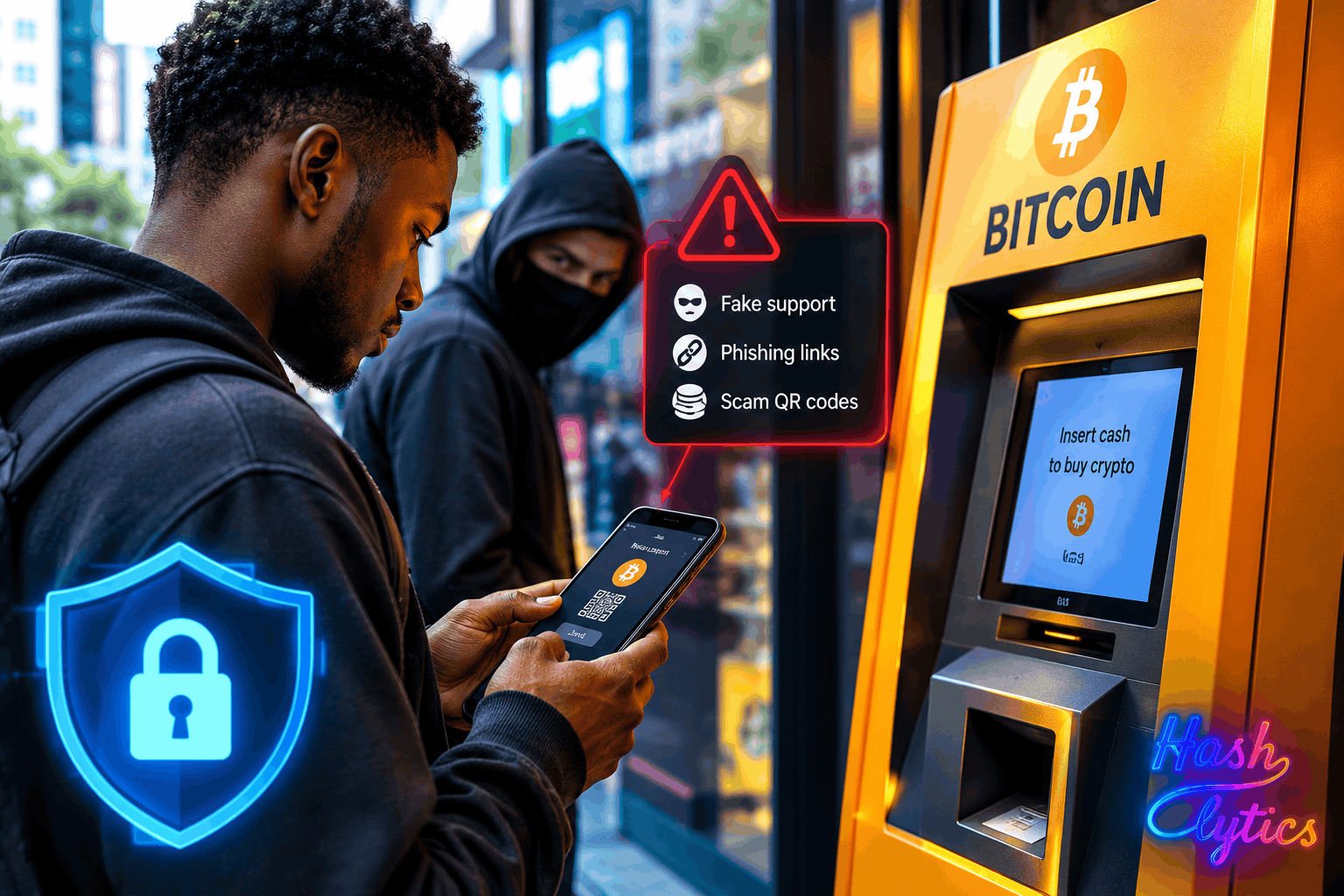
The appeal for criminals is simple. Deposits into Bitcoin kiosks are effectively irreversible, so once the cash goes in, recovery is extremely difficult. The machines also sit in places people visit every day, including supermarkets, bars, and convenience stores.
Four Hours on the Phone
One Wisconsin woman, identified only as Beth, described her experience to InvestigateTV. It started with a pop-up on her new computer claiming a Microsoft Office breach. She called the number on the screen, believing she had reached a fraud investigator.
The scammer told her pornography had been found on her computer, supplied fake credentials to appear legitimate, and kept the pressure high. Beth was told to withdraw thousands of dollars from her bank while staying on the line the entire time. When tellers asked, she was coached to say the cash was for a “renovation project.”
With the scammer still talking in her ear, she drove to a gas station and fed the money into a Bitcoin machine she had never used before. After nearly four hours, she believed the problem was solved. Then came one more demand: $5,000 in Home Depot gift cards. Waiting at checkout for a manager’s approval, Beth finally realized what was happening and quietly signaled the clerk to call the police.
Law enforcement says that moment of clarity is rare. “The victims will still be adamant that it’s real and will not listen to our officers,” said Sgt. Sheldon Pedranzan of the Outagamie County Sheriff’s Office.
The state numbers point the same way. Wisconsin residents lost more than $43 million to scams in 2024, and crypto ATM involvement in those cases rose 99% in a single year. Michael Gavigan of the Wisconsin Department of Financial Institutions put the warning plainly: “Anytime someone comes to you, they say there’s an urgent request and they’re asking you to do something with money, that’s a major red flag.”
Signs the Call Is a Scam
- The caller insists you stay on the phone while you move money
- You are told not to talk to anyone else, including your bank, family, or police
- You are asked to hide the real reason for a withdrawal
- The fix involves a crypto kiosk or gift cards
Any request to keep a financial transaction secret from people you trust is a critical warning sign on its own. Reporting a scam, even after the money is gone, helps investigators track the people behind it. Beth, for her part, has a blunt view of the machines: “In my mind the bitcoin machines are for nothing but scams, and I think they need to be gone.”
Hashlytics Take
Beth’s story is worth reading for what the kiosk was not. The machine did nothing clever. The scam worked because the caller controlled her for four hours, scripted her answers to the bank, and kept her from ever pausing to think. The ATM is just the last step, the point where cash becomes untraceable. That is why warnings about the technology tend to miss, and why the rule that actually breaks the scheme is behavioral: hang up and call someone you know before any money moves.
Follow Hashlytics on Bluesky, Facebook, LinkedIn , Telegram and X to Get Instant Updates