-0.60%
+0.94%
-2.00%
-2.68%
-2.19%
-1.68%

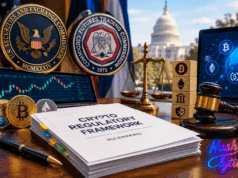
The framework will be opened for public comment, allowing the industry to shape how digital asset regulation takes form. This represents a significant departure from the regulatory uncertainty that has plagued the crypto space for years.
What the SEC Is Targeting
The 2026 agenda focuses on four main pillars designed to reduce uncertainty and encourage responsible growth in digital asset markets.
Safe harbor regulations: The SEC plans to establish specific safe harbor rules that allow digital asset projects to develop and operate under clear guidelines. This removes the guesswork around whether a project might be classified as a security.
Custody and trading standards: New rules will clarify exactly how digital assets should be custodied and traded within regulated markets. Clearer guidelines are expected to boost institutional confidence and encourage participation from traditional finance firms.
Tokenization acceleration: With regulatory clarity in place, the SEC anticipates more firms will move forward with tokenization initiatives. This includes blockchain-based financial services that could expand the digital asset market significantly.
Retail and institutional clarity: Both individual and institutional market participants will benefit from explicit compliance expectations. This clarity enables the industry to confidently expand digital asset products and services.
Institutional Money is Moving
The regulatory shift comes as institutional capital is already flowing into crypto markets, though still cautiously.
| Metric | Status |
|---|---|
| Institutions Planning to Increase Allocations | 73% |
| Institutions Accessing Crypto via Regulated ETFs and ETPs | 66% |
| Crypto ETF Assets Under Management | $65 billion+ |
| Current Institutional Crypto Allocation (of advised wealth) | Below 0.5% |
These numbers tell an interesting story. Institutions are showing genuine interest in digital assets, but they’re moving deliberately. Most are still testing infrastructure and building confidence before committing larger amounts of capital. According to Grayscale Research, despite the enthusiasm, institutional allocations remain measured and cautious.
Legal certainty is what institutions need to scale their involvement. The SEC’s new approach directly addresses this requirement by providing the kind of clear rules that large financial firms require before deploying significant capital.
DeFi Evolves to Meet Institutions Halfway
As institutional capital begins flowing into crypto markets, Decentralized Finance (DeFi) platforms are adapting their models. Rather than abandoning permissionless finance entirely, these protocols are building compliance layers that allow institutions to participate while adhering to regulatory standards.
Key mechanisms enabling this shift include permissioned pools, digital identity systems, and verifiable credentials. Combined with the substantial liquidity provided by stablecoins, these features allow major financial institutions to access tokenized markets without sacrificing the compliance frameworks they operate under.
The Road Ahead
The SEC’s shift from enforcement-first to safe harbor development marks a turning point for digital assets. The regulatory clarity the agency is pursuing could unlock significant institutional adoption. However, the real challenge for DeFi protocols will be balancing compliance requirements with their commitment to open participation. Whether institutional adoption can expand without compromising the core principles that make decentralized finance valuable remains an open question.
One thing is certain: the era of regulatory ambiguity for crypto is ending. What replaces it will shape the industry for years to come.
Follow Hashlytics on Bluesky, LinkedIn, Telegram and X to Get Instant Updates