-1.32%
-1.89%
-5.72%
-6.95%
-5.60%
-8.49%
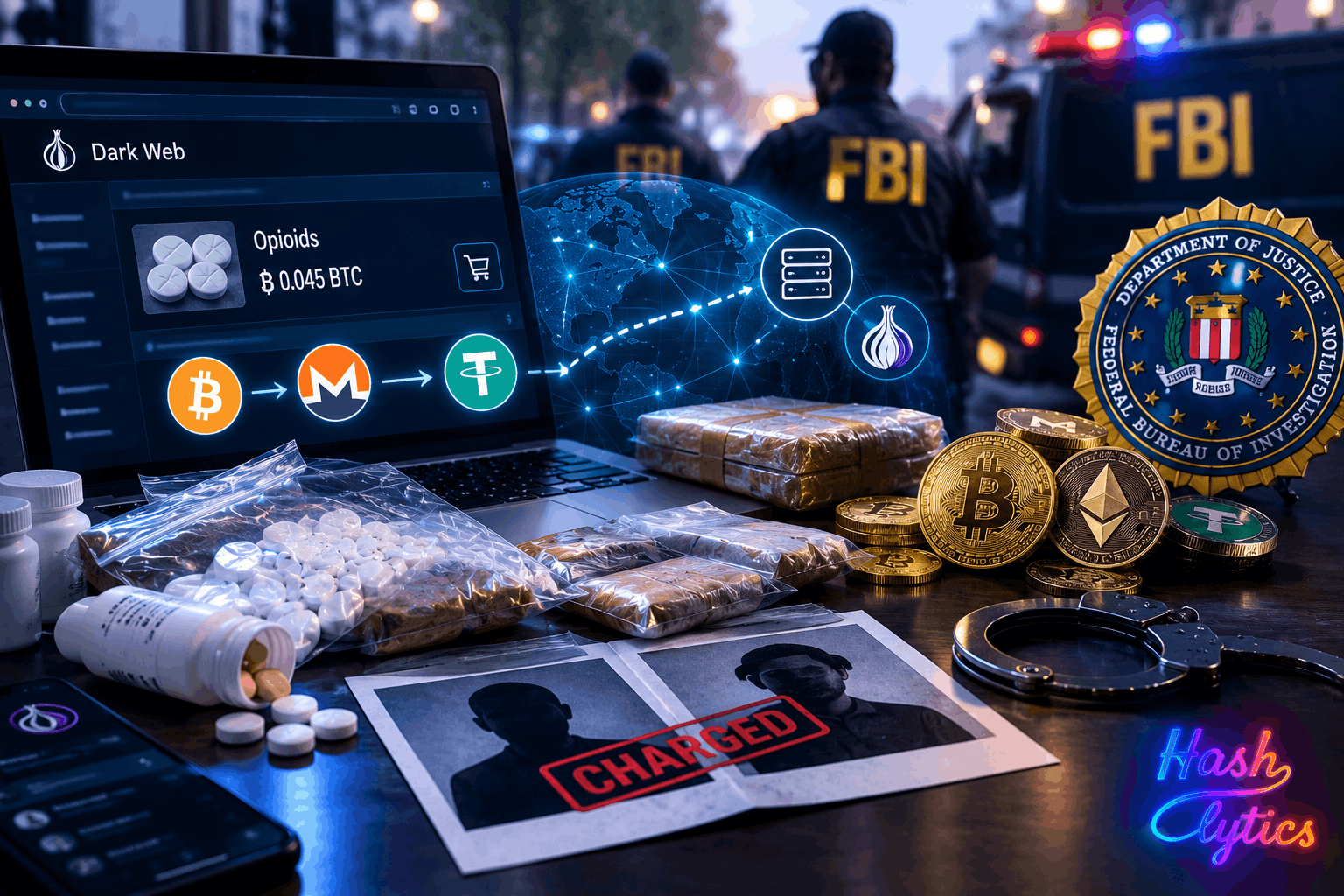
BarbaraWhite,a darknet vendor account that allegedly distributed counterfeit pills containing potent nitazenes. Investigators leveraged blockchain analytics to trace illicit cryptocurrency transactions, directly linking the online activity to the accused individuals.
Vladislav and Stanislav Chernyshov face charges for conspiring to distribute nitazenes, synthetic opioids often more dangerous than fentanyl. The U.S. Justice Department announced the arrests on August 28, closing out a multi year investigation.
BarbaraWhite
had operated since at least 2020, selling hundreds of thousands of pills across major darknet marketplaces including Bohemia, Nemesis, and Abacus. Some pills, marketed as FENT FREE,
reportedly contained highly potent nitazenes instead.
How Investigators Followed the Money
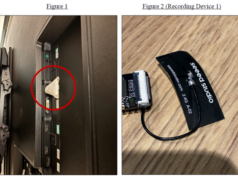
Investigators combined blockchain analytics with marketplace data, postal records, and surveillance. Undercover purchases also helped connect the online operation to its alleged real world operators, with blockchain analysis proving crucial in uncovering the financial infrastructure behind it.
Data from a separate investigation identified Bitcoin addresses used by BarbaraWhite
to withdraw proceeds. These funds originated from drug sales across various darknet marketplaces, and tracing this network led investigators directly to Stanislav Chernyshov.
The BarbaraWhite
wallet cluster received approximately $220,000 from darknet markets and sent out about $230,000 in cryptocurrency. Those outgoing payments included funds to a postage service, another drug vendor, and a China based chemical supplier, a pattern that helped investigators map the operation’s full supply chain.
Investigators identified overlapping wallet interactions between BarbaraWhite wallets and others traceable to Stanislav’s mobile payment account, connecting marketplace activity, suppliers, and services across what had otherwise looked like disparate corners of the internet.
Real Deaths Behind the Digital Trail
Synthetic opioids have intensified America’s drug crisis over the last decade, accounting for roughly 69% of the more than 100,000 overdose deaths at the crisis’s peak in 2023. Counterfeit pills, often sold online and disguised as legitimate medications, remain a deadly part of the illicit drug supply, with darknet marketplaces accepting cryptocurrency giving vendors a perceived layer of anonymity.
The BarbaraWhite
case has been linked to at least 12 overdoses across the U.S., three of them fatal. Those numbers are the clearest reminder that tracing wallet clusters isn’t an abstract technical exercise. It’s how a pseudonymous account gets tied to real harm.
Hashlytics Take
Every time a case like this closes, it chips away at the idea that crypto offers meaningful anonymity to anyone doing this at scale. The ledger is public by design. What protected vendors like BarbaraWhite for years wasn’t the technology, it was simply that nobody had connected the dots yet. Once an agency has the resources to map wallet clusters against postal records and mobile payment accounts, the pseudonymity collapses fast.
That raises a real question worth sitting with. If federal agencies can trace a wallet cluster to a chemical supplier in China and a specific person’s mobile payment account, what exactly is crypto still offering criminal operators that cash doesn’t? The honest answer is convenience and reach, not secrecy. Anyone running an illicit operation on-chain today is operating on borrowed time, not real cover.
Follow Hashlytics on Bluesky, Facebook, LinkedIn , Telegram and X to Get Instant Updates