-1.28%
-2.02%
+1.32%
-2.44%
+1.17%
-3.05%
The Fatwa That Started It All
On June 10, Jamia Darul Uloom, a influential seminary, issued a fatwa stating that purchasing goods with cryptocurrency was impermissible
. The decree characterized cryptocurrency as merely the recording of fictitious numbers in an account
, effectively treating all digital assets as a single, problematic category.
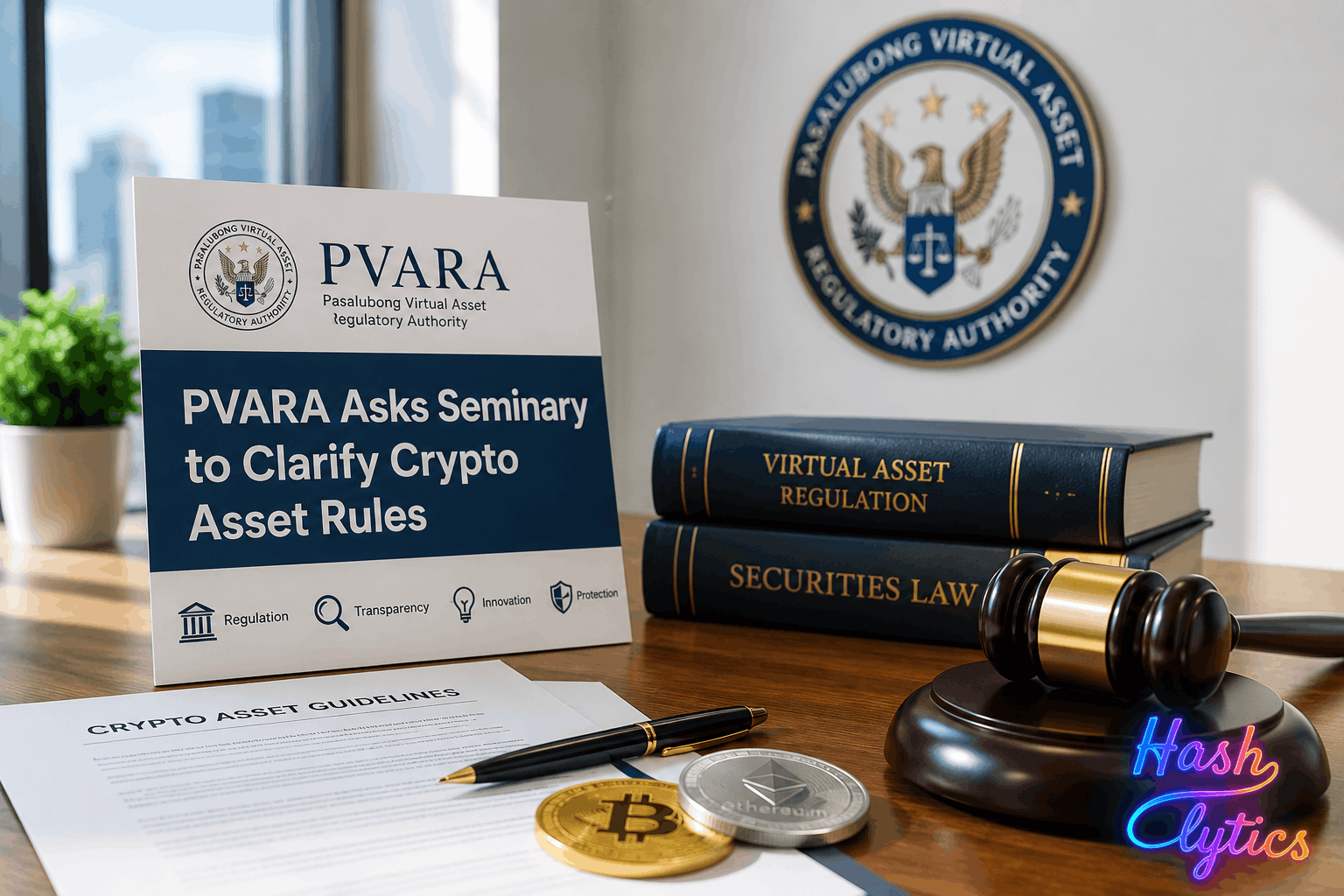
PVARA Chairman Bilal bin Saqib has now formally requested the seminary reconsider this blanket ruling. The authority argues that not all digital assets are created equal, and grouping them together misses critical distinctions under Shariah principles.
How PVARA Wants to Separate Crypto Into Categories
Rather than defending all cryptocurrencies, PVARA is proposing a more nuanced framework that examines digital assets individually. The core insight is simple: some assets deserve scrutiny, while others align cleanly with Islamic finance principles.
Asset-backed tokens represent genuine value. Think of blockchain-recorded sukuks, which represent ownership in real, income-generating assets. Gold-backed tokens or fully reserved stablecoins provide enforceable claims on tangible, redeemable assets. These instruments create actual wealth under Shariah, not fictional value.
Purely speculative tokens are a different matter entirely. Cryptocurrencies that lack any underlying asset or cash flow should be treated as distinct from asset-backed instruments. PVARA acknowledges that scholars have legitimate concerns about these instruments and deserves to have those concerns taken seriously.
Blockchain itself is just technology. PVARA emphasizes that the underlying blockchain is a record-keeping and verification technology, not a financial asset
. Conflating the infrastructure with the financial instruments built on top of it creates unnecessary confusion.
Building Consensus With Religious Scholars
PVARA Chairman Bilal bin Saqib has held what he described as a constructive discussion
with Mufti Taqi Usmani, one of the most respected Islamic finance scholars in the Muslim world. These conversations aim to build understanding and develop consensus around how Shariah views different categories of digital assets.
The regulator’s position is that blockchain technology, stablecoins, and tokenized real-world assets deserve individual evaluation rather than blanket condemnation. Each instrument carries different risk profiles and underlying structures that should inform religious judgments.
What This Means for Pakistan’s Crypto Market
Pakistan’s crypto trading volumes have remained resilient despite the fatwa, suggesting retail traders aren’t abandoning the space. However, the religious decree poses a real obstacle to institutional adoption and mainstream banking integration.
The current fatwa could become a hurdle to broader, bank-led crypto adoption beyond Pakistan’s urban trading community,
said Waqas Ghani, head of research at JS Global Capital. Without Shariah compliance, banks won’t touch digital assets, limiting access for everyday Pakistanis.
If PVARA can negotiate a more granular framework with religious scholars, Pakistan has a genuine opportunity to lead globally in Shariah-compliant digital finance. The conversations happening now could reshape how Islamic finance views digital assets worldwide.
Follow Hashlytics on Bluesky, LinkedIn, Telegram and X to Get Instant Updates