What the Case Was Actually About
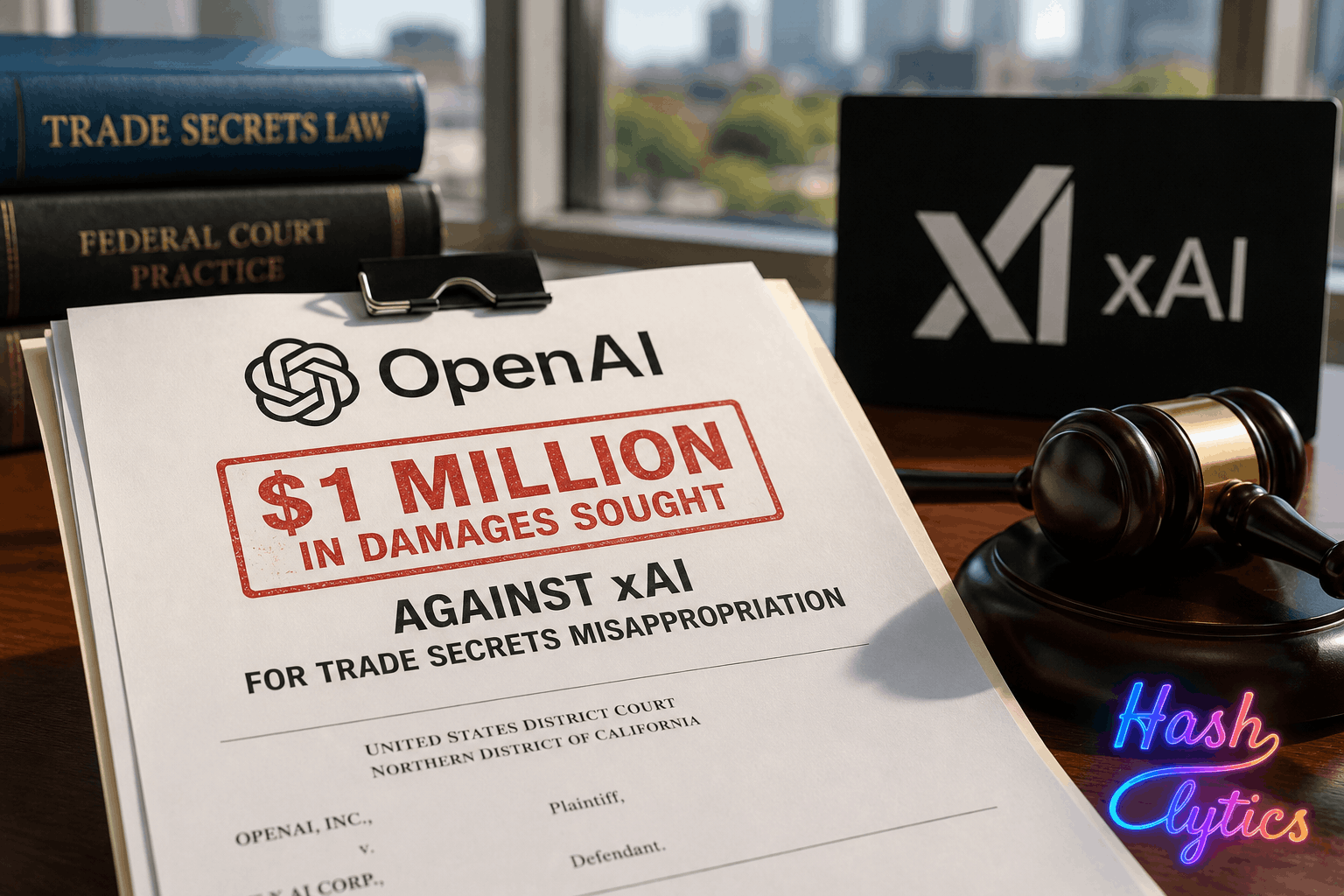
xAI filed suit in the Northern District of California in September 2025, alleging OpenAI ran a coordinated campaign to poach xAI engineers and induce them to bring confidential Grok-related information with them. The complaint centred on Xuechen Li, a former xAI senior engineer who interviewed at OpenAI and discussed his prior work during recruitment. xAI claimed OpenAI specifically wanted secrets tied to Grok 4’s July 2025 release because ChatGPT’s next update could not compete on complex reasoning, and because OpenAI was lagging in reinforcement learning techniques Li understood.
US District Judge Rita Lin dismissed the case twice. The first dismissal in February gave xAI until mid-March to amend. The amended complaint added claims that OpenAI encouraged Li to discuss his previous employer’s work during hiring. Lin dismissed that version too, this time with prejudice, ruling on June 15 that the claims rested on speculation and, at most, described the passive receipt of information, which does not meet the legal standard for misappropriation under the Defend Trade Secrets Act. Her order characterised the case as an attempt to recast ordinary Silicon Valley hiring practices as a conspiracy.
Why the Fee Motion Matters Beyond the Dollar Amount
OpenAI is using Lin’s own dismissal language, that the case never should have cleared the pleading stage, as the legal basis for recovering costs. Courts award attorney fees on dismissed claims relatively rarely; doing so here would formally brand the lawsuit as the kind of case that should never have been brought, not merely one that failed on the merits. Combined with Brockman’s rebuttal of Musk’s account of OpenAI’s founding and Altman’s testimony about Musk’s own stated intentions for OpenAI’s ownership, OpenAI’s legal strategy across all three cases has been consistent: reframe Musk’s litigation as personal grievance rather than legitimate legal claims, then make that framing part of the public record through court filings and testimony.
The Bigger Complication: Apple
The timing is awkward for OpenAI regardless of how the fee motion resolves. On July 10, four days before this filing, Apple sued OpenAI in the same federal district, alleging OpenAI stole hardware trade secrets “at every level, from members of its Technical Staff to its Chief Hardware Officer” to build consumer devices, a claim tied to OpenAI’s $6.4 billion acquisition of Jony Ive’s io Products. OpenAI spent the past year successfully arguing that aggressive hiring from a rival does not, by itself, constitute trade secret theft. It now has to argue the opposite side of that exact legal question, in the same court, against a company with considerably more litigation resources than xAI.
xAI’s appeal to the Ninth Circuit keeps the underlying dispute alive procedurally even as OpenAI seeks to close the book financially. Whether Lin’s fee award, if granted, becomes precedent that other companies cite against speculative trade secrets claims in AI hiring disputes is the detail worth tracking once the Apple case develops.
Follow us on Bluesky, LinkedIn, X, and Telegram to Get Instant Updates