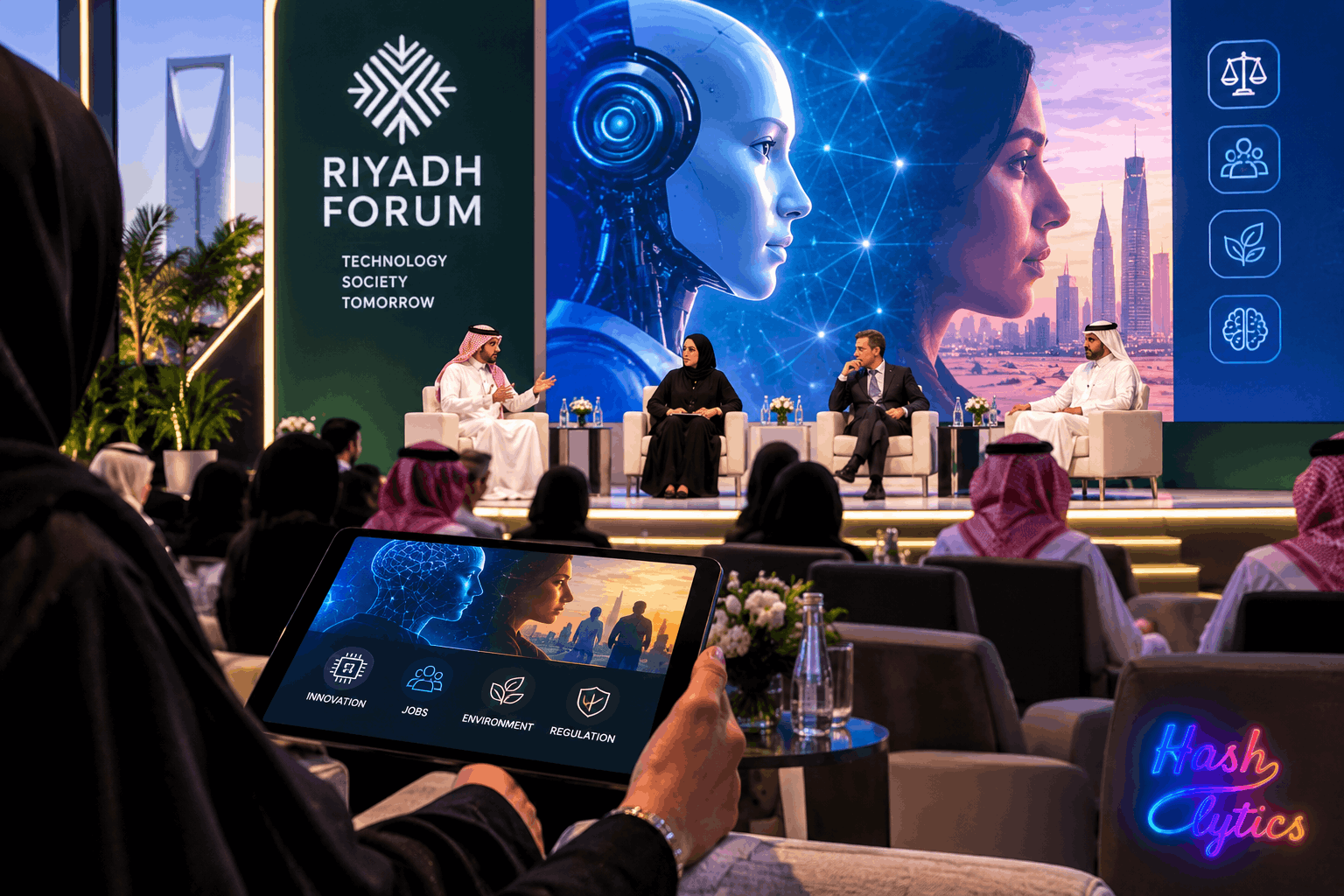
The forum also spent significant time on how well AI systems represent diverse cultures and languages, a sign the broader discourse is maturing past pure capability benchmarks.
The Case for Smaller AI Platforms
Hani Chihabi, CEO and co-founder of Thaura.ai, made the case that smaller AI platforms are better positioned to prioritize user well-being over engagement metrics. Speaking to Arab News, he put it plainly: It should serve us, it should not be the other way around.
Dr. Dafna Feinholz, UNESCO’s chief of bioethics and ethics of science and technology, echoed the concern from a regulatory angle. She warned against AI systems built around what she called addictive programming
, design choices aimed purely at keeping users engaged as long as possible.
How Thaura.ai Builds Its Ethical Layer
Thaura.ai, co-founded by Hani and Said Chihabi, doesn’t train its own large language models from scratch. Instead, it builds on existing open-source models and applies what Chihabi described as a constitution
, a set of rules that shapes how responses align with the company’s ethical principles.
One of those principles is a hard limit on prolonged interactions designed to hook users. It provides you the value and that’s it. It doesn’t try to keep you hooked,
Chihabi told Arab News.
Why UNESCO Is Watching Emotional Reliance
Dr. Feinholz raised a specific concern about prolonged chatbot interaction reducing conventional social interaction. She was direct about where she draws the line on using AI for emotional support. If they are using it to have a conversation or some emotional support, that’s not good, because emotional support and friendship, it’s much more than that,
she explained.
Feinholz argued that any ethical framework for AI needs to preserve human rights and contribute to well-being rather than just avoid obvious harm, and that these standards should apply the same way to large companies and small ones alike.
Building AI That Isn’t Just Western and English
Cultural and linguistic representation came up as its own thread throughout the forum. Chihabi pointed to Thaura.ai’s substantial Arab user base as evidence that region-specific AI infrastructure has real demand. We can build our own infrastructure and don’t always have to depend on Western technology,
he said.
UNESCO’s position lines up closely here. Feinholz stressed that AI systems need to reflect a range of cultures and languages rather than defaulting to one. It should not be only one language, and it should not be only one culture,
she affirmed.
The stakes are concrete for Saudi Arabia specifically. The Kingdom is actively building out its own AI ecosystem, with efforts like Humain aimed at strengthening Arabic-language capability and cultural representation in the technology taking shape.
Hashlytics Take
The interesting tension here isn’t AI versus ethics in the abstract, it’s business model versus ethics in practice. Engagement-optimized platforms make more money the longer someone stays on them, which is precisely the incentive Chihabi and Feinholz are both pushing back against. Thaura.ai’s bet is that a smaller platform can afford to walk away from that incentive structure. Whether that holds once investors start asking about growth metrics is the real test, not the ethics panel.
Follow Hashlytics on Bluesky, Facebook, LinkedIn , Telegram and X to Get Instant Updates