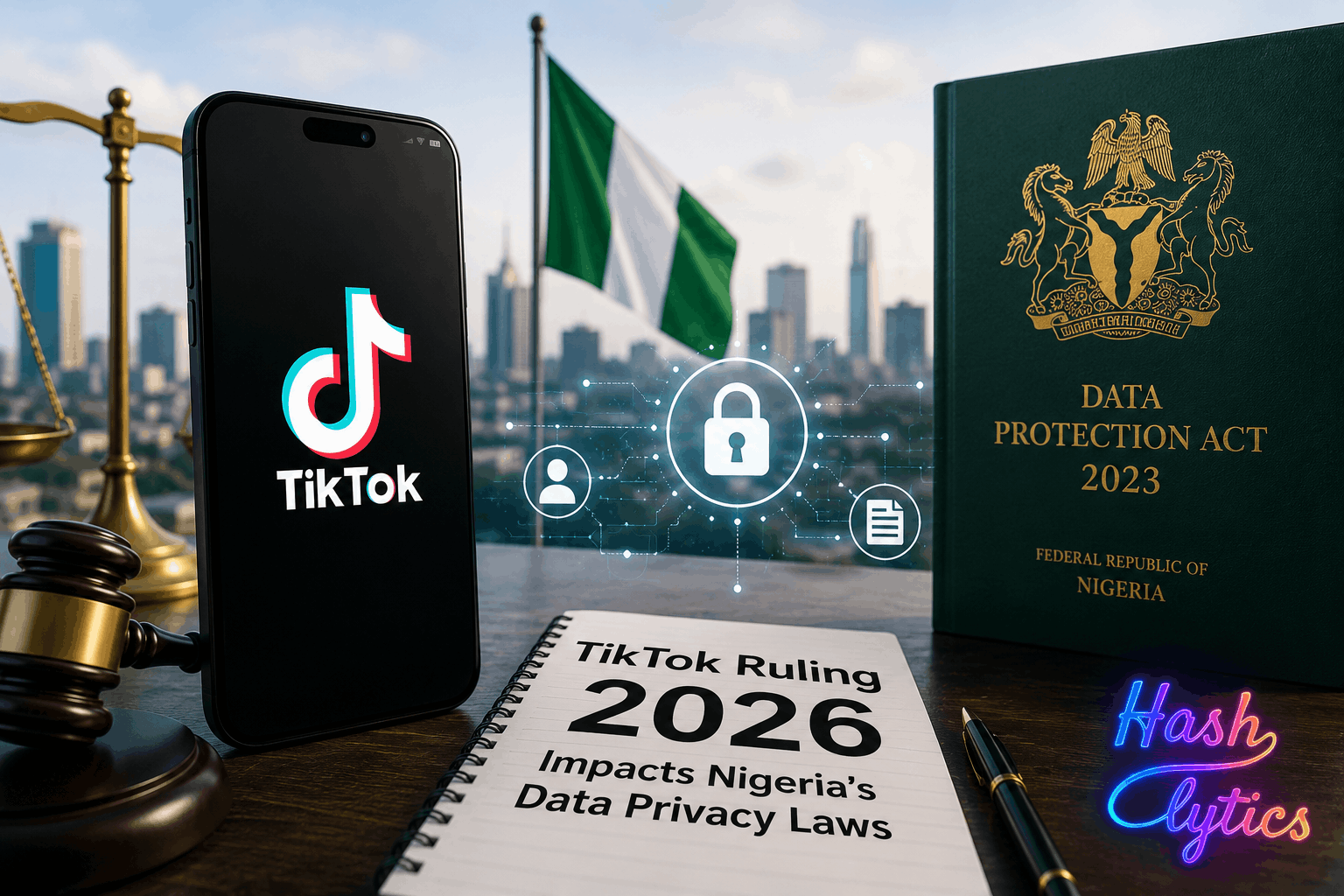
What the Irish High Court Actually Ruled
On June 3, 2026, the Irish High Court delivered a landmark judgment in TikTok v. Data Protection Commission IEHC 347. The case centered on a simple question: where is data actually processed?
TikTok claimed European user data never left the continent. The company said it stored information in Singapore and the United States via a Remote Access Solution
. Chinese personnel couldn’t touch it directly. Problem solved, TikTok argued.
The Irish Data Protection Commission disagreed. Investigators found that engineers in China were accessing and processing this data in plaintext on devices physically located in China. The court ruled that data processed inside a country falls under that country’s surveillance laws, regardless of where the servers sit. The fine: potentially €530 million, plus a corrective order to stop the practice.
The implication is stark: server location is irrelevant if remote access channels lead to foreign jurisdictions with invasive surveillance regimes.
How This Breaks the Nigerian Compliance Playbook
Nigeria’s Data Protection Act (NDPA) 2023 sets strict rules for cross-border data flows. Sections 41 and 42 mandate an adequate level of protection
for Nigerian citizens’ data transferred abroad.
Until now, many companies treated this simply: host data in Europe or the US, pass the audit, move on. The Irish ruling destroys that playbook. A Nigerian bank storing customer data in Dublin but granting remote access to engineers in a jurisdiction with surveillance oversight now faces compliance risk. The data’s physical location no longer shields it from foreign regulatory reach.
This forces a reckoning. Nigerian fintechs using third-party SaaS tools, Nigerian telecom companies outsourcing infrastructure, and Nigerian startups relying on cloud providers must now ask a harder question: who can actually access our users’ data, from where, and under what legal authority?
The Burden of Proof Shifts to Companies
The ruling also hands regulators a powerful new tool. TikTok argued that authorities had to prove active interception by foreign governments. The Irish High Court rejected that standard. Instead, companies must now demonstrate that their data pipelines are actually secure, not just theoretically sound.
This is a massive shift. It means:
- Boilerplate Data Protection Impact Assessments are no longer sufficient
- Vendor audits must examine remote access protocols, not just headquarters location
- Companies need continuous proof of security, not one-time compliance checks
- Regulators can demand evidence proactively, not wait for breaches to occur
Nigeria’s Data Protection Commission, led by Dr. Vincent Olatunji, is already increasing enforcement activity. The Irish ruling gives them a blueprint for demanding rigorous, ongoing proof that data controllers actually control their data flows.
What’s at Stake for Nigerian Tech
The stakes are higher than regulatory fines. Nigeria is positioning itself as Africa’s premier tech hub. That credibility depends on being able to prove to international partners and users that data is genuinely protected, not just theoretically compliant.
The cloud camouflage
era is over. Companies can no longer hide complex data routing behind server locations. Organizations that haven’t audited their remote access chains are now sitting on regulatory time bombs. The NDPC has the precedent to pursue aggressive enforcement. Companies caught with unvetted remote access from risky jurisdictions won’t get warnings.
For Nigerian banks, startups, and telecoms, the message is clear: audit your vendors now, document your security architecture, and be prepared to prove continuous compliance. The alternative is becoming a case study in the next enforcement action.
Follow Hashlytics on Bluesky, LinkedIn, Telegram and X to Get Instant Updates