Apple’s watchOS 27 announcement at WWDC 2026 marks a significant shift in the company’s update strategy. The new operating system will support only five smartwatch models while dropping six older ones, handing a decisive advantage to Samsung and Google in the wearables durability race.
Which Watches Are Getting Left Behind
Apple Watch SE 3, Series 10, Series 11, Ultra 2, and Ultra 3 will run watchOS 27. That’s it. The Series 6, Series 7, Series 8, Series 9, SE 2, and the original Ultra are out. None of these discontinued models will receive the latest platform update, despite remaining fully functional on watchOS 26.
The Series 9 gets particular attention here. Launched in late 2023, it’s only receiving two major platform updates total (watchOS 11 and 26) before Apple cuts it loose. Meanwhile, the Ultra 2, which launched at the same time, moves forward to watchOS 27. This inconsistency is puzzling, especially when the iPhone 11 from 2019 is getting iOS 27, giving iPhones a standard seven-year update window.
The Apple Watch Update Problem
Here’s where things get murky. Apple’s watchOS support doesn’t follow the same predictable pattern as iOS. While iPhone owners can reliably expect seven years of major software updates, Apple Watch buyers face unpredictable cutoffs with no clear rules.
Apple hasn’t formally labeled discontinued models as end-of-life, which suggests security patches may continue on watchOS 26. But new features? Gone. An update on June 8, 2026 created additional confusion when reports surfaced of Series 9 owners successfully installing the watchOS 27 beta, though Apple hasn’t issued a correction to its official compatibility list.
Samsung and Google Are Now More Transparent
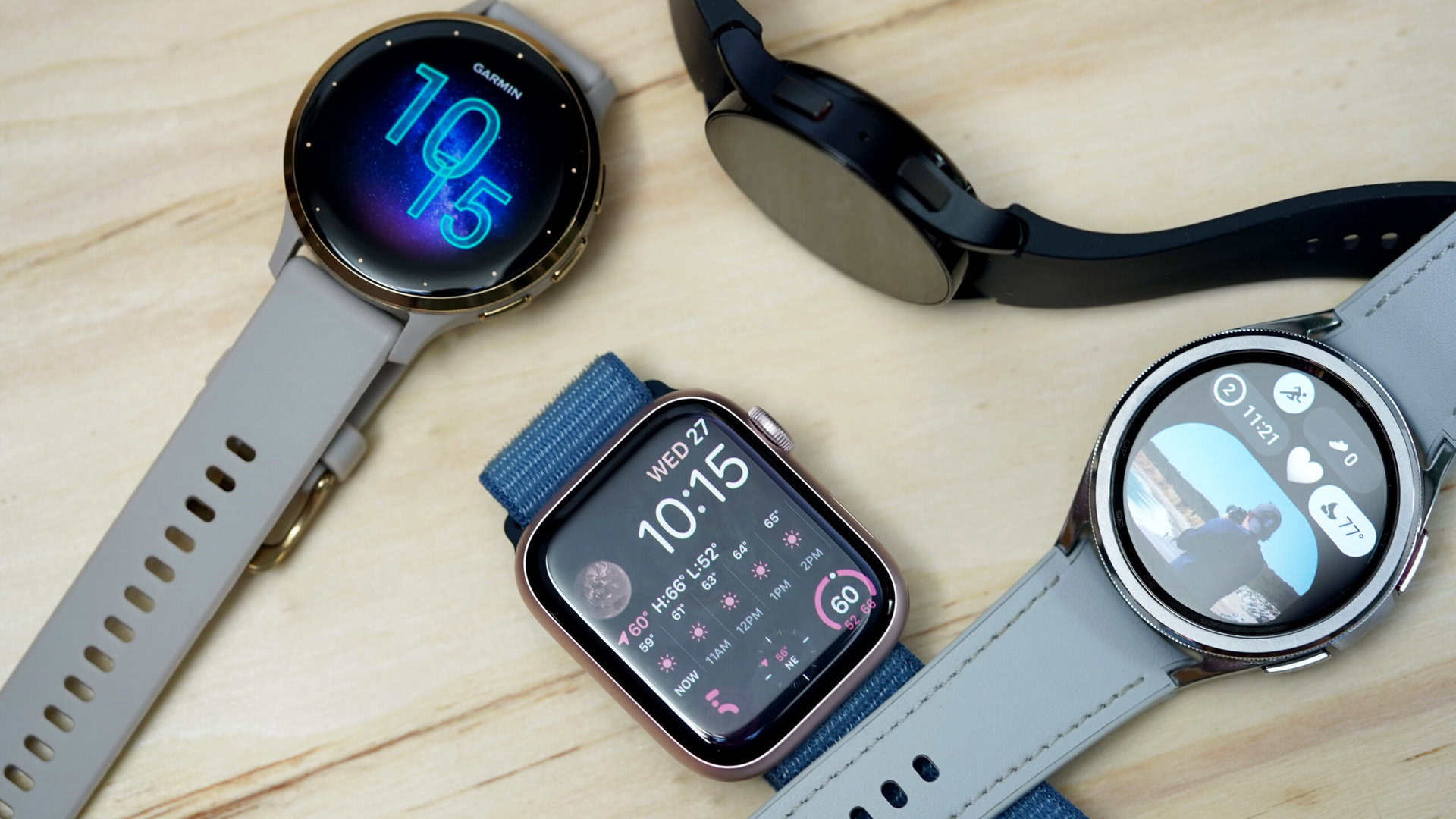
Apple’s competitors suddenly look like the more reliable choice. Samsung guarantees four years of major platform updates across its Galaxy Watch lineup since the Galaxy Watch 4 generation. The Galaxy Watch 6, which debuted in 2023 alongside the Series 9, has already received two major updates with two more confirmed. Samsung published this timeline publicly.
Google maintains a consistent three-year software update window for Wear OS devices. The Pixel Watch 2, also launched in late 2023 with Wear OS 4, remains on track to receive its final update in October, matching or exceeding the Series 9’s total update count.
The fragmented Android ecosystem, historically criticized for inconsistency, now offers more predictable support windows than Apple’s proprietary offering. Both Samsung and Google publicly commit to defined update periods. Apple keeps things vague.
What This Means for Buyers
Apple Watch buyers cannot reliably predict when their device will be excluded from major updates. The Series 9 example proves that even flagship models from the previous year may face unexpected discontinuation. Compare that to Samsung, where you know you’re getting four years. Or Google, where it’s consistently three.
Apple Watch buyers cannot reliably count on a clear support roadmap the way smartphone buyers can. This lack of transparency gives Android wearables a genuine advantage for anyone who wants to know what they’re getting into at purchase time.
What Happens to Old Watches
Discontinued Apple Watch models will keep receiving security updates and bug fixes on watchOS 26. They won’t stop working. But they stop being treated as first-class citizens the moment watchOS 27 launches. No new features, no major improvements, just maintenance mode.
The real question is whether Apple will clarify its watchOS update philosophy going forward or continue the pattern of unpredictable model exclusions in future releases. For now, the company’s smartwatch strategy feels less certain than its phone strategy, and consumers are noticing.
Follow Hashlytics on Bluesky, LinkedIn , Telegram and X to Get Instant Updates