-0.67%
-0.88%
+9.45%
+5.61%
-2.00%
+1.64%
Russia Approves Top Three Cryptos
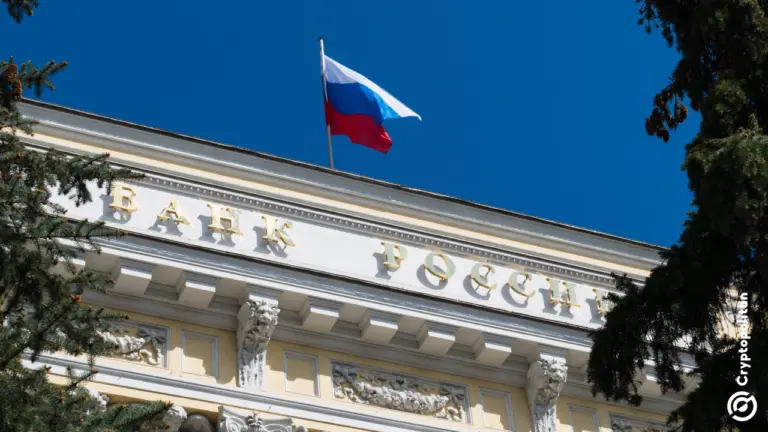
The Bank of Russia has officially whitelisted Bitcoin (BTC), Ethereum (ETH), and Tether (USDT) for trading. This approval applies to licensed cryptocurrency exchanges within the country, allowing non-qualified investors to acquire these three major digital assets for the first time.
Professional investors face fewer restrictions. They can acquire any cryptocurrency listed on licensed local exchanges, giving them significantly more flexibility. This two-tiered approach reflects the central bank’s attempt to protect less experienced market participants while still opening the door to broader crypto adoption.
New Rules for Russian Investors
Non-qualified investors will face an annual purchase cap of 300,000 rubles, roughly $3,600 at current exchange rates. This limit applies to purchases made through CBR-approved intermediaries like brokers and asset managers. The central bank stated this cap protects investors from volatile price swings that could wipe out savings quickly.
The new framework operates under the law On Digital Currencies and Digital Rights.
President Putin signed this legislation in early August, and it takes effect on September 1.
Strict Criteria for Whitelisting
The central bank selected BTC, ETH, and USDT based on stringent criteria including market capitalization, average daily trading volume, and pricing history. Here’s what it takes to make the cut:
- Market cap must exceed 5 trillion rubles (over $60 billion) for two consecutive years
- Daily trading volume must stay above 1 trillion rubles (more than $12 billion) for the same period
- The asset must have at least five years of trading history
These requirements significantly narrow the field of eligible cryptocurrencies. The Bank of Russia noted that only these three currently meet the strict thresholds, which explains why the list is so short despite thousands of tokens trading globally.
What Happens Next
The Central Bank of Russia plans to release over 30 additional directives by November. These will govern various crypto operations, including exchange, storage, and margin trading. They will also define rules for traditional and fintech market players, including “digital depositaries.”
All investors, regardless of status, must undergo testing to verify their awareness of associated risks before any transactions take place. Despite the new opportunities, a recent survey shows almost 70% of Russians remain skeptical about significant crypto use cases under the new terms.
Our Take
What makes this move notable isn’t the whitelist itself, it’s the timing. Russia is threading a needle between sanctions-driven necessity and genuine regulatory caution, and the tight asset criteria suggest Moscow wants controlled exposure rather than a crypto free-for-all. Watch whether the skepticism among everyday Russians fades once the November directives clarify how storage and margin trading will actually work in practice.
Follow Hashlytics on Bluesky, Facebook, LinkedIn, Telegram and X to Get Instant Updates