The story traps Sam inside his apartment building as a cosmic catastrophe called “The Outside” warps the world around him. There is little combat-heavy spectacle here. Instead, the game runs on a 15 in-game day survival loop where time is the real enemy. Cooking, showering, and reinforcing window blinds all advance the clock, and so does managing Sam’s mental state through household rituals. That setup taps straight into post-pandemic anxieties about forced isolation and the shaky sense of safety behind four walls.
A survival sim wrapped in a JRPG
The game splits into two phases. At home, Sam juggles hunger, hygiene, and fatigue while reacting to unpredictable events such as mysterious knocks at the door. Stepping into the building’s twisted hallways starts a Danger Meter that rises the longer he stays away from safety. A maxed meter means bigger experience rewards on return, but it also leaves him badly exposed.
Combat moves to tactical turn-based screens where weapons break and healing items are scarce. Sam can recruit up to three companions, each with their own abilities, and they steer the story toward human connection amid the isolation. The difficulty echoes RPGs of the 1980s and 1990s: enemies do not respawn, so grinding is off the table, and there is no save-scumming to soften a death. The tension comes from a bind the game never loosens. Skip fights and the party arrives under-leveled for mandatory bosses. Take them on and you burn through healing items you cannot replace.
Where the dread starts to slip
The opening hours build oppressive, slow-burn fear through isolation. Once players reach the ground floor, that atmosphere fades. Encounters escalate, resource scarcity loses its bite, and a full four-person party takes down the final bosses with surprising ease. The ending feels rushed next to the patient pacing of the early game.
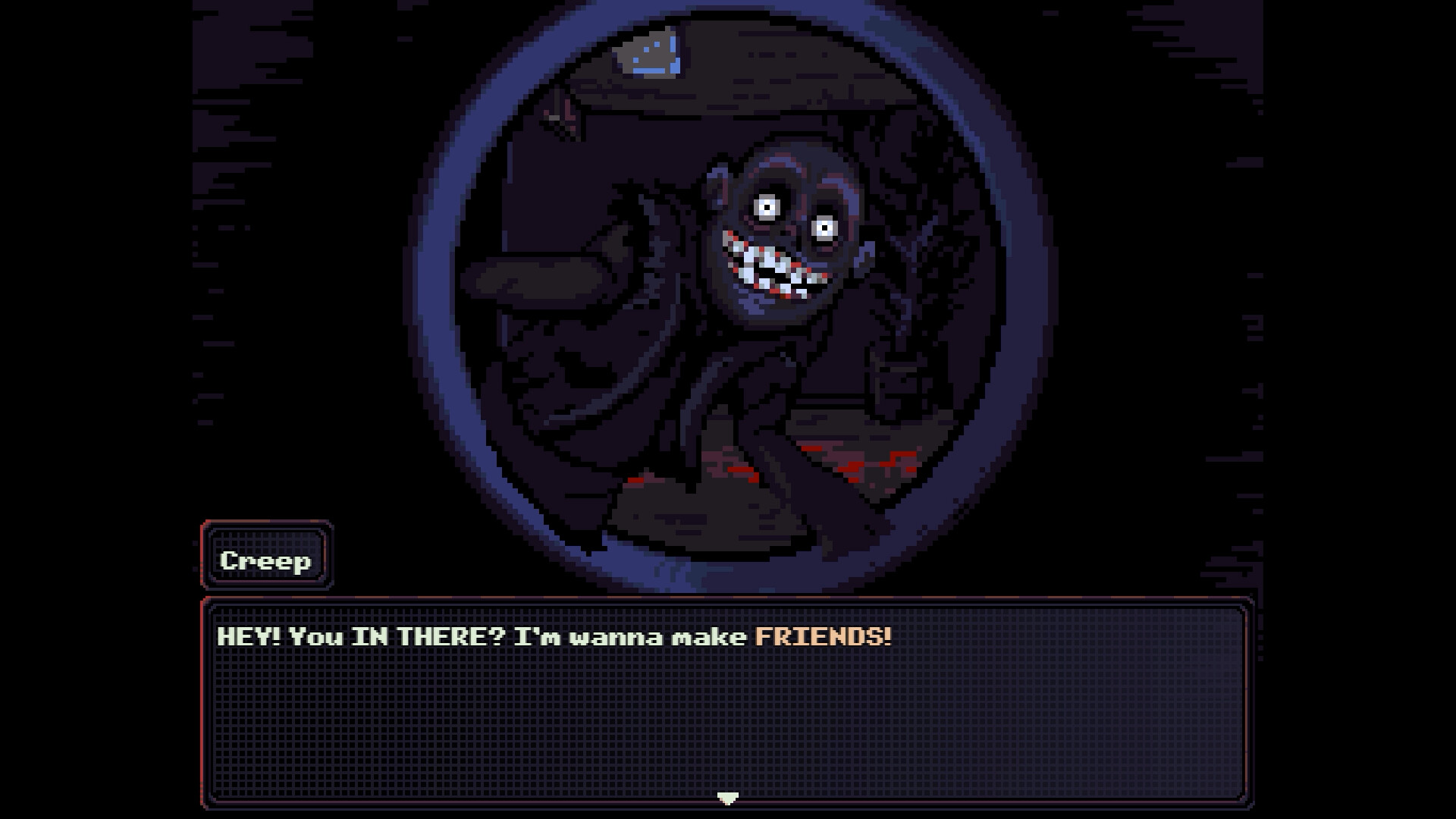
Early combat has its own problem. The math behind it is vague, and it sometimes forces Sam into fights he is not ready for, which can feel unfair. Even so, the design suits the theme. The 16-bit pixel art is deranged in the best way: Sam looks haggard and worn out, and perspective tricks give everything an off-kilter, disorienting feel. The monsters read like Ed Roth illustrating sleep paralysis demons through Junji Ito, which makes them both disturbing and occasionally funny. The audio keeps pace with the visuals. For players willing to be patient and careful, Cubed3 counts it among the most effective horror projects ever built in RPG Maker.
Hashlytics Take: The most telling detail is that the game’s scariest stretch is also its most restrictive one. Once Sam gains a full party and the resource pressure eases, the fear goes with it. That suggests the real engine of indie horror is not atmosphere on its own but constraint: take away the player’s options and dread follows, give them back and it drains away. It is a lesson AAA horror, with its big budgets and bigger toolkits, keeps struggling to learn.
Follow Hashlytics on Bluesky, Facebook, LinkedIn , Telegram and X to Get Instant Updates