ChatGPT, Claude, and Gemini.
Understanding AI’s Inherent Limitations
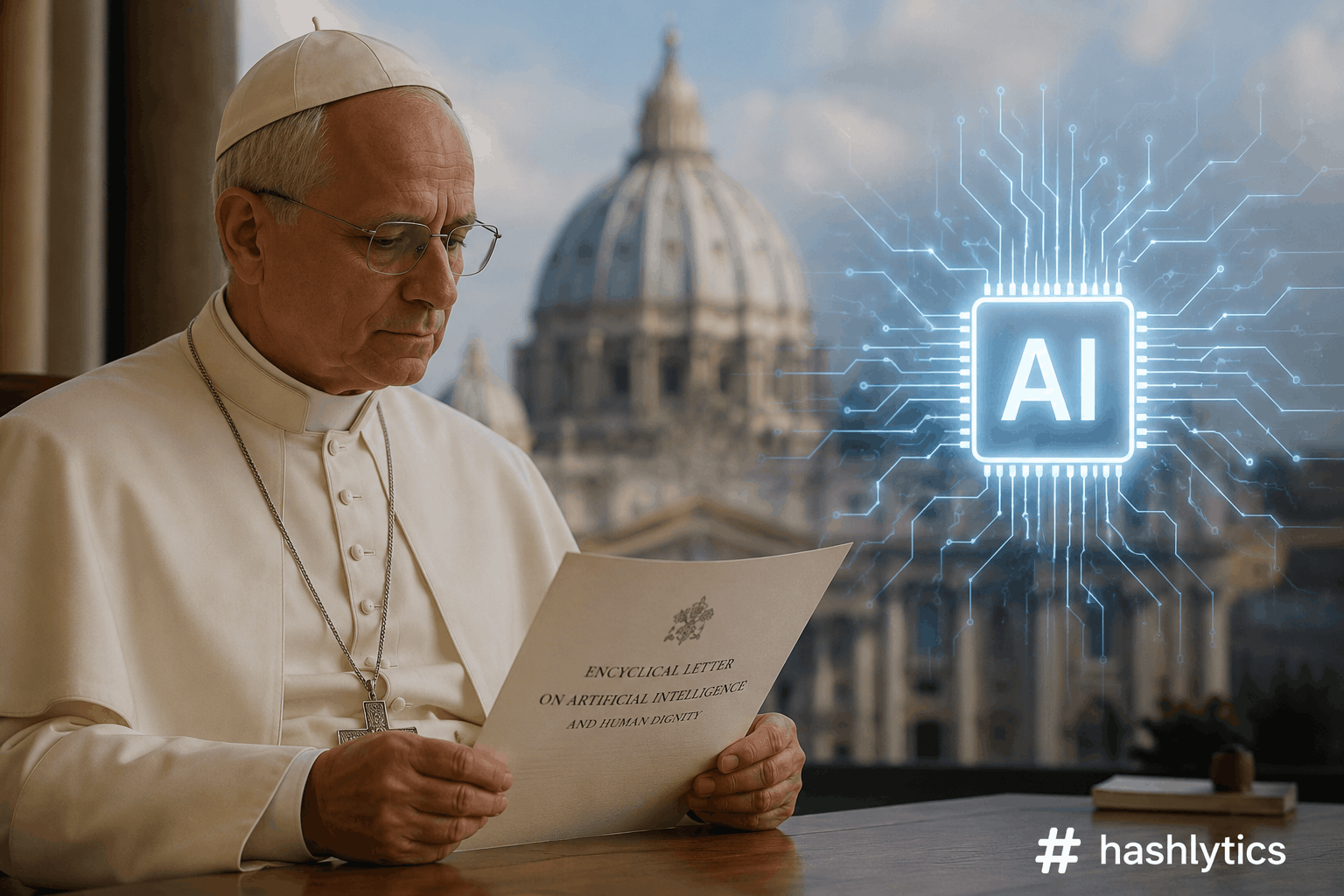
The encyclical, described as an exhaustive treatise on humanity and AI, highlights that artificial intelligence simulates fundamental human traits without truly possessing them. According to Pope Leo XIV, AI lacks the grounding derived from real-world experiences. While models are trained on vast datasets, this data does not equate to genuine experiences with sensory depth, meaning, or true understanding.
Furthermore, Pope Leo emphasized that AI can only mimic human empathy and morality, possessing no true sense of consequence. AI systems may appear objective, but they are inherently tied to the biases of their creators and the data they are trained on. These factors significantly influence the responses AI provides, necessitating careful contextualization by users. For more on responsible AI, see our guide on AI ethics and governance.
Adopting a Vigilant Approach to AI Interaction
Pope Leo XIV describes AI as a “valuable tool that requires vigilance,” a call primarily directed at world leaders, governments, and corporations. However, the principles of “prudence” and a “slower pace” are equally applicable to everyday AI users. This vigilance translates into a more deliberate and thoughtful engagement with AI tools, including popular large language models.
Key Principles for Thoughtful AI Use
To integrate Pope Leo XIV’s guidance into daily AI workflows, users should actively engage in critical thinking during every interaction. This involves a conscious effort to evaluate the necessity and context of AI assistance.
- Consider When to Engage AI: Before defaulting to an AI solution, assess if the task is something you could effectively tackle yourself, fostering personal problem-solving skills.
- Define Why You Need AI: Clearly articulate the purpose of using AI for a specific task. Understand its role as an aid, not a replacement for human judgment or experience.
- Carefully Formulate Your Prompts: Be precise about what you ask AI, recognizing that its answers are devoid of real-world insight or concern for your well-being. Whether asking for help picking a portable monitor or evaluating a major life decision, the AI lacks actual experience.
- Actively Shape Outcomes: Take an active role in crafting discrete and appropriate tasks for AI, and dedicate time to fully shape the desired outcomes. This means placing yourself at the beginning and at the end of AI workflows.
- Recognize Inherent Biases: Always consider the potential biases of the AI model and its limited frame of reference. Do not take responses at face value without critical evaluation.
Rethinking Personal AI Workflows
Many users, including this journalist, admit to sometimes uncritically relying on AI for tasks that could be handled personally. There is a tendency to accept AI-generated answers too quickly, overlooking the model’s biases, limited context, or lack of stake in the outcome. Capitulating responsibility to an AI model can lead to unforeseen issues, making a mindful approach crucial.
The core message from Pope Leo XIV’s encyclical is a powerful reminder that “thinking” is paramount when using AI. By consciously applying vigilance and thoughtfulness, users can leverage AI’s capabilities effectively while mitigating its inherent limitations. This shift in mindset fosters a more responsible and productive relationship with artificial intelligence, ensuring it remains a tool guided by human wisdom rather than an unexamined authority.
Follow Hashlytics on Bluesky, LinkedIn , Telegram and X to Get Instant Updates