When Genre Came First, License Second
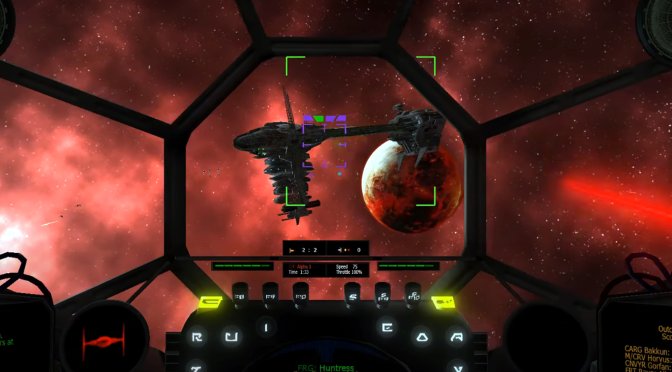
The classic titles treated players as PC gamers first, not just Star Wars fans. X-Wing and TIE Fighter were full-fledged space simulators. They demanded mastery of targeting systems, shield management, and wingman commands. This wasn’t an arcade experience dressed up in Rebel Alliance colors. This was serious sim territory, and PC players ate it up.
Dark Forces did the same thing for first-person shooters. Vertical level design, mission objectives, environmental puzzles. Then Jedi Knight pushed further by blending first-person shooting, third-person lightsaber combat, Force powers, and multiplayer duels into one cohesive experience. These games thrived because they were robust PC experiences first, Star Wars products second.
The CD-ROM Shift and RPG Expansion
When CD-ROM technology arrived, Star Wars games adapted smartly. Rebel Assault showcased what PC hardware could do with full-screen video and voiced sequences. It positioned Star Wars as part of the broader multimedia PC landscape, not as a separate thing.
But the real turning point was Knights of the Old Republic (KOTOR). BioWare treated this as a serious RPG first. Party composition, dialogue choices, morality systems, class progression. Players shaped their own hero and experienced personal stories. This went far beyond simply role-playing familiar film characters.
KOTOR proves the staying power of this approach. The community keeps it alive through projects like the ESRGAN AI-enhanced HD Texture Pack and ongoing fan fixes. That’s what happens when you build something PC players actually respect.
Modern PC Releases: The Optimization Problem
The track record gets messier in recent years. Star Wars Jedi: Survivor launched with significant performance issues including CPU behavior, GPU scaling problems, and traversal stutters. A detailed PC performance analysis broke down the problems, and PC players noticed immediately.
The game improved over time, but achieving a truly stutter-free experience remained complicated. Upcoming titles like Star Wars Outlaws already draw scrutiny for technical choices like mandatory ray tracing and GPU scaling requirements, as covered in benchmarks and performance analyses.
The Modding Community Keeps Classics Alive
What’s remarkable is how the PC community refuses to let older titles fade. Projects like Star Wars Jedi Knight Remastered continue to enhance classic games. Even Republic Commando got new life through an RTX Remix path tracing demo, bringing modern graphics technology to a beloved older title.
This is the PC advantage at work. When developers respect the platform, the community invests back. When they don’t, modders step in anyway.
The Bottom Line: Platform Respect Matters
The pattern is clear across decades of Star Wars PC releases. Success doesn’t come from the license alone. It comes from commitment to the platform and the genre. A cockpit simulator should be a proper simulator. An RPG should be a proper RPG. A modern release should run optimally across diverse PC hardware configurations.
The best Star Wars games on PC are the ones that understood this. They weren’t trying to compete with films or consoles. They were trying to deliver great PC experiences that happened to wear a Star Wars skin. That’s the formula that built the classics and kept communities engaged for decades.
Follow Hashlytics on Bluesky, LinkedIn, Telegram and X to Get Instant Updates