The Lawsuit’s Core Claim
Sony currently faces a proposed class action arguing the PS5 maker fails to clearly state that digital games are licenses, not purchases. The suit aligns with a 2025 California law that requires companies to disclose when digital game sales don’t confer permanent ownership.
Sony Calls the Ownership Belief ‘Nonsense’
In a new legal filing, Sony pushed back hard, arguing the idea that consumers believe they “own” digital games is nonsense
, as reported by Game File.
The company’s defense leans on a specific example. Two different players could both purchase ‘Resident Evil Requiem’, which Sony argues disproves any notion of individual ownership and points instead to a licensing arrangement. Sony’s broader position is that its terms of service, which almost nobody reads before clicking buy, already spell this out clearly enough.
What the Lawsuit Is Actually Asking For
The class action isn’t trying to force Sony into selling permanent ownership. It’s asking for a “clear and conspicuous” warning that tells players digital games can be revoked at any time for any reason, before the purchase happens rather than buried in a terms of service document.
Sony’s legal argument focuses on existing disclosures and what it considers common consumer understanding. The court is currently deciding whether the case should move to arbitration instead of proceeding as a class action.
Physical Discs Are Already on Their Way Out
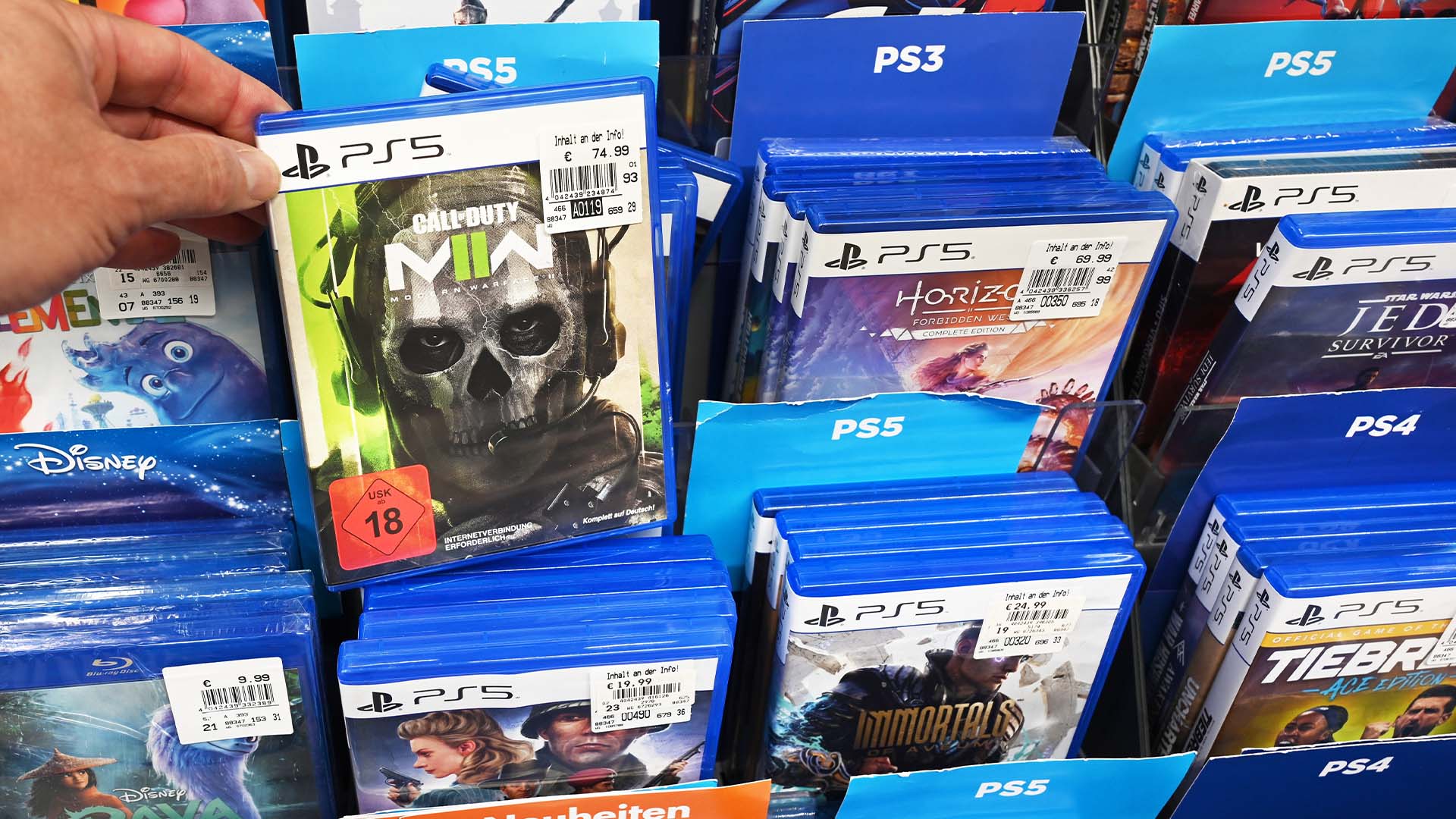
This legal fight matters more now than it did a year ago. Sony recently announced it will stop producing game discs entirely for the upcoming PS6 console generation, which effectively ends physical ownership as an option for future PlayStation titles.
Sony also sent a reminder to European players around the same time, stating outright that digital ownership is a “myth.” The timing, mid-lawsuit, was not exactly subtle.
Hashlytics Take
Sony calling consumer ownership beliefs “nonsense” is a legally convenient argument, but it sidesteps the actual complaint. Nobody is arguing that two players can’t both hold a license to the same game. The lawsuit is arguing that Sony never made clear, at the point of purchase, that “buy” meant “license, revocable at will.” Those are different claims, and Sony’s filing answers the one that’s easier to win. With discs disappearing entirely by the PS6 era, the stakes of that distinction only grow. A licensing model buried in fine print is a different product than one disclosed plainly before the transaction, and courts increasingly seem to agree.
Follow Hashlytics on Bluesky, Facebook, LinkedIn , Telegram and X to Get Instant Updates