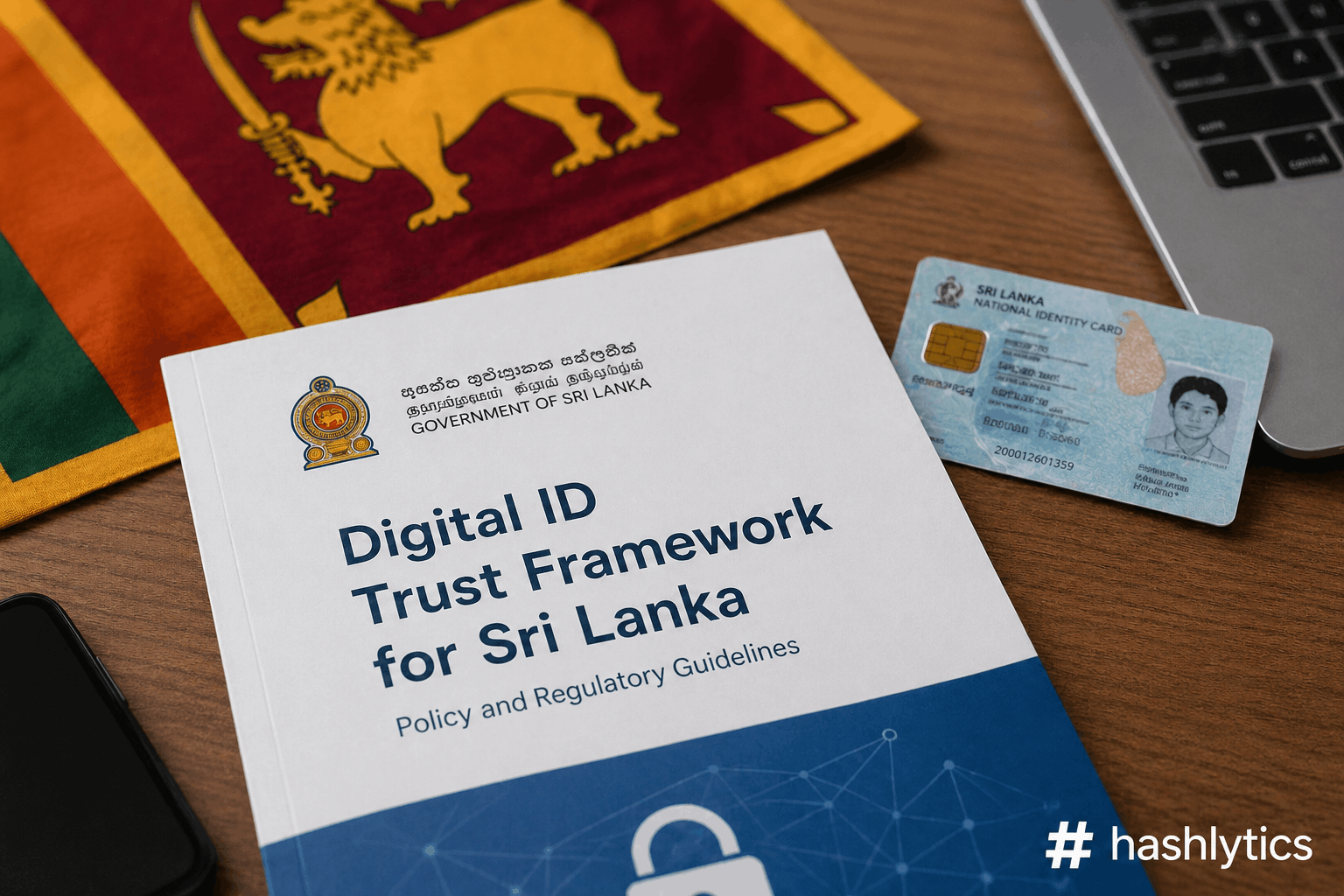
Sri Lanka Locks in Trust Boundaries Before Digital ID Launch
Deputy Minister of Digital Economy Eng. Eranga Weeraratne outlined the trust framework in recent comments to Biometric Update. The system will store biometric data such as fingerprints, iris scans, and facial recognition in hashed formats that cannot be reverse-engineered, preventing unauthorized reconstruction of sensitive biometrics. Citizens will retain explicit control over data sharing, with real-time access granted only through consent mechanisms rather than default permissions.
The architecture also establishes clear boundaries on data collection, access rights, permitted uses, oversight mechanisms, and citizen redressal processes. Weeraratne emphasized that if the trust framework is weak, even the most advanced technology will struggle to succeed.
Legal Framework and Independent Monitoring
The Personal Data Protection Act No. 9 of 2022 provides the legal backbone for SL-UDI, establishing South Asia’s first comprehensive data protection legislation. The act ensures clear rules for data retention and creates formal pathways for citizens to challenge misuse.
Independent oversight will be managed by the Data Protection Authority, which appointed Dimuth Bhashitha Atapattu as Director General starting March 2026. Setting up this independent monitoring body is viewed as a critical prerequisite before the system scales beyond pilot phases.
Staged Rollout Strategy Ahead of Q3 2026 Target
The government is pursuing a phased approach rather than a single-phase national launch. The SL-UDI project is in its final procurement and deployment phases, with delivery gates including readiness verification, pilot testing, controlled rollout, and eventual scale. This staged model allows officials to validate trust mechanisms and address vulnerabilities before expanding access.
The third quarter of 2026 target represents a realistic delivery timeline that balances ambition with operational feasibility.
Why Trust Architecture Matters Now
Digital ID systems face persistent public skepticism around surveillance, data misuse, and government overreach. Sri Lanka’s decision to embed trust safeguards early in the design phase, rather than bolting them on later, reflects lessons from failed or contested ID rollouts elsewhere in the region. By defining boundaries upfront and establishing independent oversight before launch, officials aim to build citizen confidence necessary for voluntary adoption.
The Personal Data Protection Act provides legal teeth to these commitments, creating enforceable standards rather than voluntary guidelines. This institutional foundation distinguishes SL-UDI from ID projects that rely solely on government assurances without independent legal recourse.
What Happens Next
The focus now shifts to completing procurement and ensuring the Data Protection Authority is fully operational by March 2026. The pilot phase will test consent mechanisms, hashing protocols, and redressal processes in real conditions. Any friction discovered during pilot testing will likely influence how the controlled rollout proceeds in subsequent quarters.
Follow Hashlytics on Bluesky, LinkedIn , Telegram and X to Get Instant Updates