How the Preemptive Recovery Engine Works
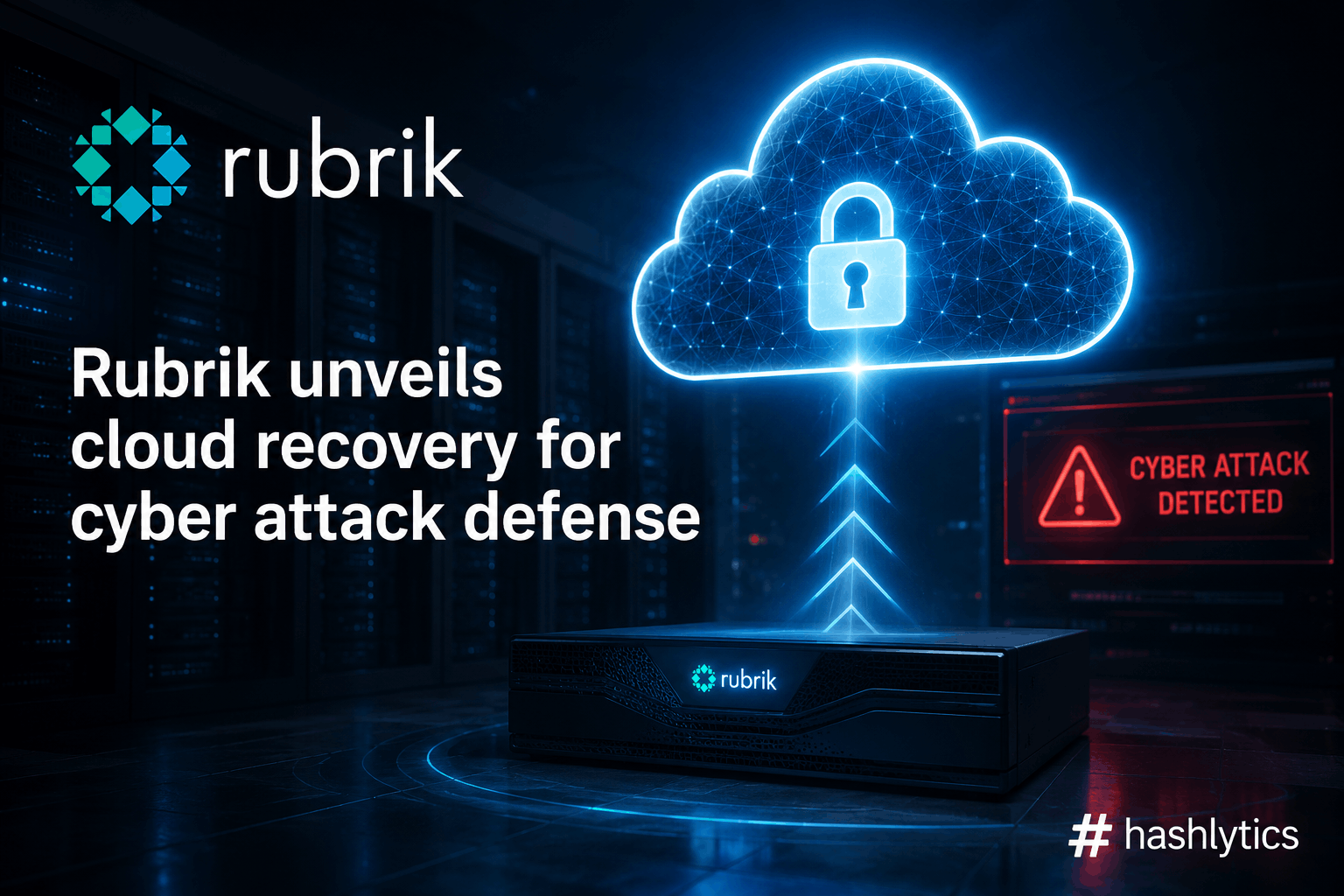
The new solution, available in private preview, introduces a Preemptive Recovery Engine. This engine maps application dependencies, pinpoints clean recovery points, and prepares comprehensive recovery plans before an incident occurs.
Rubrik’s focus on cloud applications marks a critical distinction from legacy tools, which often recover isolated files or infrastructure components without addressing the intricate connections that modern software needs to actually function.
Restoring Entire Application Stacks
Autonomous Business Recovery (ABR) directly addresses the challenge of restoring entire application stacks, including code, configurations, identities, network settings, and data, all in the correct operational sequence.
According to Rubrik, the system automatically discovers the full application stack and maintains a continuously updated dependency map of its resources, ensuring recovery plans stay current as cloud environments evolve. Teams can apply backup policies across infrastructure and data through a single, unified interface. During a recovery event, the system orchestrates restoration from a pre validated clean point, starting with network layers before progressing to compute and data, removing the need for manual scripting.
Why Recovery Planning Has Gotten So Hard
The launch responds to a significant industry challenge. As critical workloads migrate to cloud environments, recovery planning has grown increasingly complex. Modern applications are often distributed across multiple services and rely on tightly linked configurations, access controls, and supporting resources, making traditional recovery methods insufficient.
Rubrik’s Zero Labs unit found that 88 percent of leaders are concerned about meeting current recovery time objectives as agentic threats
escalate, underscoring the urgency for more sophisticated recovery solutions.
A Growing Market Category
Rubrik positions ABR within the emerging category of Cloud Application Infrastructure Recovery Solutions (CAIRS). Gartner research cited by Rubrik projects that by 2030, 35 percent of organizations will leverage CAIRS tools to complement their existing disaster recovery orchestration, a significant jump from less than 5 percent in 2026.
This forecast points to a broader market shift, moving away from protecting discrete data sets toward the comprehensive recovery of entire operating environments, with greater emphasis on restoring essential services in a prioritized sequence. The shift reflects an evolution in how companies assess resilience, focusing on the ability to restore what Rubrik calls the minimum viable business.
What Rubrik’s CPO Had to Say
Anneka Gupta, Rubrik’s Chief Product Officer, underscored the operational implications of effective recovery. Recovering data isn’t recovering a business. If the application isn’t running, the restore fails,
said Gupta.
She elaborated further: A modern cloud application is a stack of code, configs, secrets, identities, and dependencies, and machine speed attacks have made the old all or nothing recovery untenable. Autonomous Business Recovery for Cloud Applications brings the minimum viable business back first, in the right order, from a pre validated clean point. That’s how a cyber incident stays a disruption instead of an extinction event.
What This Means Going Forward
Rubrik’s new offering signals a meaningful shift in data protection and cyber resilience strategies. As SecurityBrief Australia reports, the focus is moving away from simple data restoration and toward ensuring the rapid, orderly resumption of core business functions.
This approach is likely to become increasingly important as organizations navigate the complex, interconnected landscape of cloud applications and advanced cyber threats.
Follow Hashlytics on Bluesky, LinkedIn , Telegram and X to Get Instant Updates