The New Lock Screen Rule
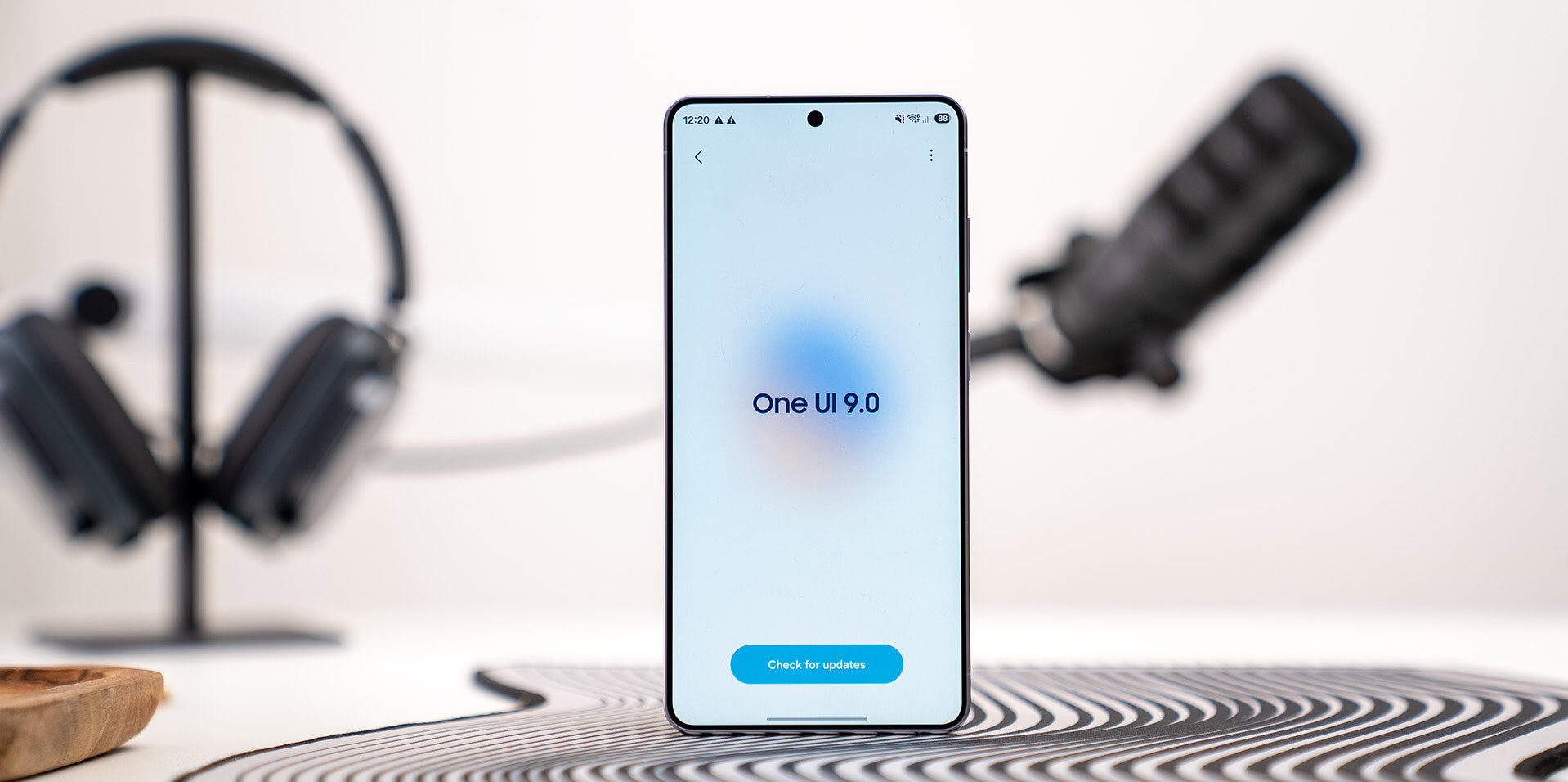
A recent Samsung support document confirms the stricter security measures coming to One UI 9. Here’s what changes:
- Maximum of 13 incorrect lock screen attempts before automatic factory reset
- Repeated attempts using the same wrong PIN or password do not count toward the limit
- Users receive precise feedback on remaining attempts and guidance text after multiple failures
Once the 13-attempt threshold is reached, the device wipes completely. No warnings, no second chances. This is a deliberate shift toward aggressive security enforcement.
Android 17 Started This Trend
Samsung’s approach builds directly on changes Google introduced in Android 17. The latest Android OS already reduced incorrect PIN attempts from 1,800 over five years down to just 20. Samsung’s One UI 9 takes this further, cutting that limit by more than a third to 13 attempts.
Even users who rely primarily on biometric authentication (fingerprint or face unlock) still need to remember their PIN. Android’s security protocols mandate entering a PIN, password, or pattern every 72 hours as a fallback verification method.
The Cost of Forgetting Your Password
This policy creates a sharp tradeoff between security and usability. Forgetting a lock screen password now carries severe consequences.
A factory reset erases all user data stored on the device. Photos, messages, app data, everything goes. After the wipe, users must reauthenticate both their Samsung and Google accounts due to Factory Reset Protection (FRP), which adds recovery friction on top of data loss.
From Samsung’s perspective, this enhances device security against unauthorized access. The burden shifts to users to memorize their credentials perfectly. There’s no middle ground for recovering a forgotten password without consequences.
When This Takes Effect
The upcoming Galaxy Z Fold 8, Z Fold 8 Ultra, and Z Flip 8 will be the first devices to ship with One UI 9 pre-installed. These new foldable phones are expected to launch in early August.
Samsung’s advice is straightforward: remember your lock screen credentials. Write them down if needed. Store them in a password manager. But don’t forget them, because the cost of that mistake just became a complete device wipe.
This represents the direction Android security is headed overall. Convenience is being sacrificed for stronger protection against unauthorized access. Whether users embrace this tradeoff or push back remains to be seen.
Follow Hashlytics on Bluesky, LinkedIn, Telegram and X to Get Instant Updates