Apple Showcases AI-Powered Accessibility Innovations
The latest accessibility features, detailed by Macworld, span across iOS 27, macOS 27, iPadOS, tvOS, and visionOS, underscoring Apple’s commitment to inclusive design. Key among these are significant upgrades to existing tools like VoiceOver and Magnifier, alongside entirely new functionalities. These updates are deeply integrated with what Apple refers to as “Apple Intelligence,” indicating a broader strategic push into AI across its ecosystem.
The features are expected to roll out with the major OS updates this fall, following their official unveiling at the WWDC on June 8. This annual developer conference traditionally serves as the platform for Apple to introduce its next generation of operating systems and associated technologies.
Deep Dive into Enhanced Accessibility Tools
Apple’s new features highlight a significant leap in AI integration, moving beyond traditional command-based interactions to more natural and context-aware assistance. Here’s a breakdown of the key additions:
- Visual Intelligence Upgrades: Both
MagnifierandVoiceOverreceive substantial updates. They can now provide more detailed descriptions of objects in the viewfinder or the content of an image, hinting at broader visual intelligence capabilities across Apple’s platforms. - Natural Language Voice Control: The
Voice Controlfeature is evolving from a set list of discrete commands to understanding natural language. Users will be able to describe desired actions, such as tapping, zooming, or scrolling, by color or content, rather than strict naming conventions. - On-Device Video Subtitles: The new operating systems will gain the ability to generate and display subtitles for any video, even those without existing caption metadata. This processing occurs entirely on-device across iPhone, iPad, Mac, Apple TV, and Vision Pro.
- Enhanced Accessibility Reader:
Accessibility Readernow supports a wider array of complex content formats, including tables, images, and multiple columns, improving comprehension for diverse materials. - Vision Pro Wheelchair Control: For power wheelchair users, Vision Pro will introduce a control feature utilizing eye-tracking. This allows manipulation of a wheelchair control interface, currently compatible with Tolt and LUCI alternative drive systems in the U.S. via Bluetooth or wired connections.
- Vehicle Motion Cues: Coming to visionOS, these cues are designed to reduce motion sickness for Vision Pro users.
- Additional OS Updates: Other improvements include Face gestures for Vision Pro, new personalized setup options in
Touch Accommodationsfor iOS and iPadOS, and more reliable pairing for Made for iPhone hearing aids. Larger Text support is coming to tvOS, andName Recognitionwill notify deaf or hard-of-hearing users across over 50 languages. - Third-Party Support: A new API will facilitate adding human interpreters to FaceTime calls for sign language interpretation app developers. Additionally, the Sony Access controller can now connect as a game controller with iOS, iPadOS, and macOS.
The Strategic Significance of Apple Intelligence
These accessibility features serve as a clear indicator of Apple’s broader strategy concerning artificial intelligence. The underlying AI capabilities powering features like natural language voice control and advanced visual intelligence are expected to permeate other core OS functionalities, including Siri. This approach positions accessibility as a key driver for general AI development, showcasing practical applications that benefit all users.
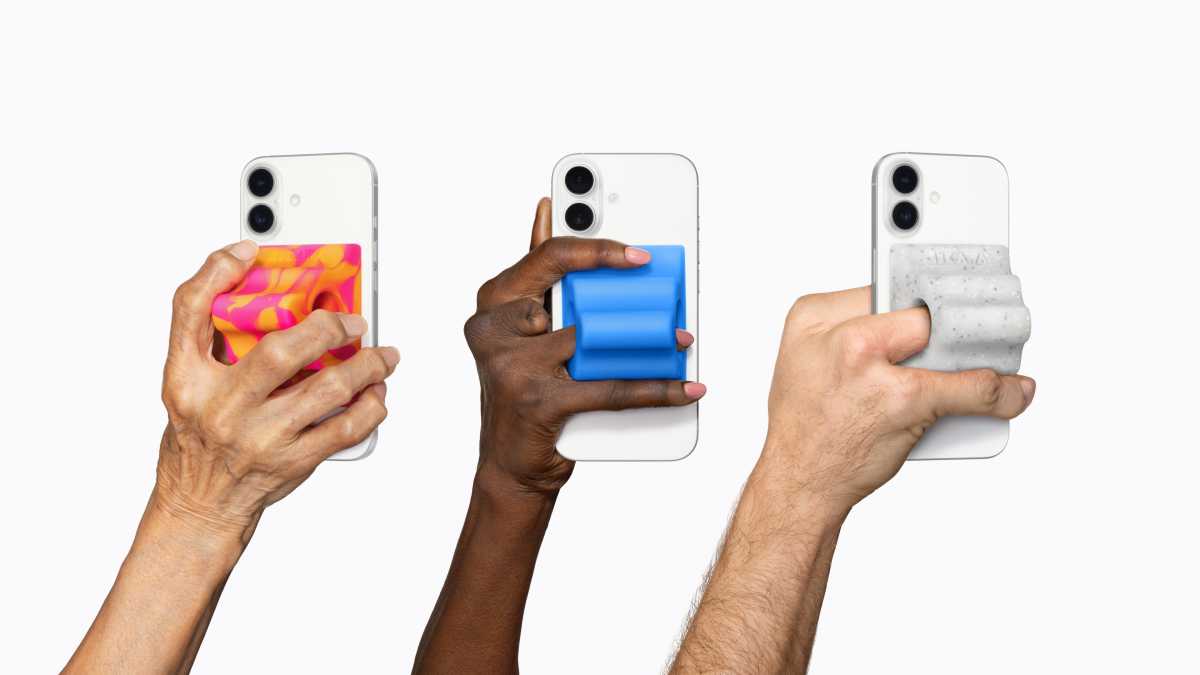
While the full scope of “Apple Intelligence” remains under wraps until WWDC, these accessibility advancements offer a compelling preview of a more intelligent and intuitive user experience across Apple’s device ecosystem. The immediate availability of third-party accessories, such as the Hikawa Grip & Stand for iPhone, also highlights ongoing efforts to support physical interaction needs globally.
The current announcements provide a tantalizing glimpse into the future of Apple’s operating systems. All these features are slated for release “later this year,” aligning with the typical fall launch window for major OS updates. Observers will be keenly watching the upcoming WWDC on June 8 for the official naming of iOS 27, macOS 27, and visionOS 27, along with comprehensive details on their broader feature sets and how Apple Intelligence will be integrated system-wide.
Follow Hashlytics on Bluesky, LinkedIn , Telegram and X to Get Instant Updates